About Oil seals
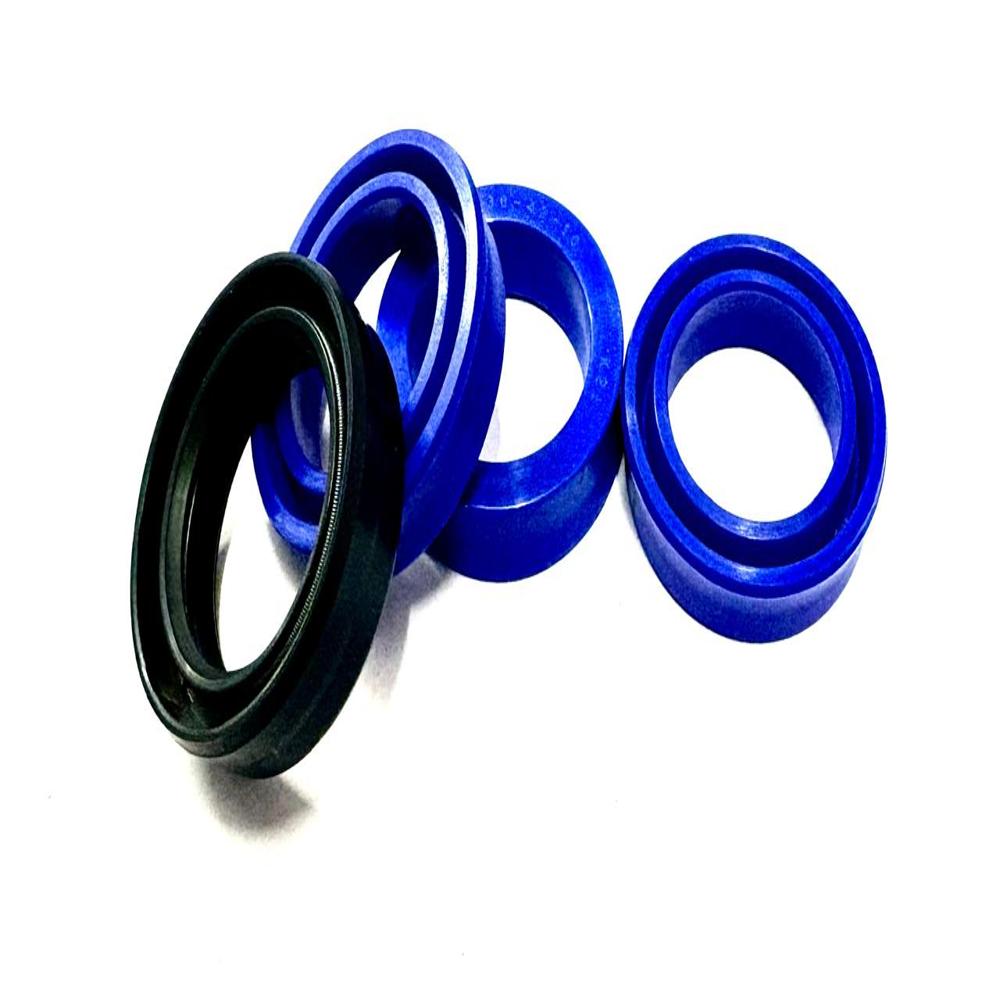
Our premium-quality Oil Seals are precision-engineered to prevent leakage, retain lubrication, and protect mechanical systems from dust, dirt, and contaminants. Manufactured using high-grade rubber materials and advanced production techniques, our oil seals ensure excellent sealing performance, durability, and resistance under demanding operating conditions.
Optimal Sealing EfficiencyEngineered with a radial lip style and robust spring materials, these oil seals provide a tight, reliable barrier against oil leakage. Their high oil, heat, and abrasion resistance ensures stable performance in critical mechanical systems, reducing the risk of contamination and equipment failure.
Versatile Material CompatibilityChoose from multiple seal materials including NBR, Viton, Silicone, Neoprene, and Polyacrylate, each offering distinct advantages for specific operating temperatures and oil types. This versatility allows for seamless integration into a broad range of industrial and automotive applications.
Easy Press-Fit InstallationThe press-fit installation type simplifies mounting and replacement processes. Detailed size and tolerance specifications ensure a consistent and secure fit, enhancing maintenance efficiency and minimizing downtime. Suitable for both new assembly lines and maintenance replacements.
FAQ's of Oil seals:
Q: How do I install these oil seals in my equipment?
A: Our oil seals are designed for press-fit installation. Simply align the seal with the housing, ensuring the sealing lip is oriented correctly, and press evenly into place. Using appropriate installation tools will help avoid damaging the seal or its components.
Q: What operating pressures are these oil seals rated for?
A: Standard models are suitable for pressures up to 0.05 MPa. If your application requires higher pressure resistance, customized solutions are available upon request to accommodate your specific needs.
Q: Which lubricants are compatible with these oil seals?
A: These seals are compatible with both mineral oil and synthetic oil lubricants. Material selection guidance is available to ensure optimal performance with your lubricant of choice.
Q: When should I replace my oil seal?
A: Service life is typically 1-2 years, but actual replacement intervals depend on operating conditions such as temperature, pressure, and lubricant type. Regular inspection for wear or leakage helps maintain system integrity.
Q: Where should I store unused oil seals?
A: Store oil seals in a cool, dry place away from direct sunlight to maintain material properties. Proper storage prevents premature aging or warping, ensuring the seals remain in top condition until installed.
Q: What benefits do these oil seals provide for mechanical systems?
A: They protect mechanical components from oil leaks, dirt, and contaminants, prolonging equipment lifespan and enhancing reliability. Their high sealing efficiency, heat resistance, and low water absorption make them ideal for demanding environments.




 Send Inquiry


 Send Inquiry
 Send Inquiry
 Send SMS
 Call Me Free